

Learn more about MujinOS
Learn about the platform powering today's most advanced automation applications
Learn more about MujinOS
Learn about the platform powering today's most advanced automation applications
Learn more about MujinOS
Learn about the platform powering today's most advanced automation applications
Technology
Learn about the platform powering today's most advanced automation applications
Learn more about MujinOS
Learn about the platform powering today's most advanced automation applications
Advancing robotics with physical AI
No-code software built for factory and warehouse automation
Advancing robotics with physical AI
No-code software built for factory and warehouse automation
Advancing robotics with physical AI
No-code software built for factory and warehouse automation
Empowering your operations with intelligent robots
Empowering your operations with intelligent robots
Mujin is building the global standard for intelligent robotics—uniting technology, product, and operations through a single no-code platform: MujinOS. When powered by MujinOS, robots take on complex tasks so teams can deploy faster, adapt with ease, and scale without compromise.
Mujin is building the global standard for intelligent robotics—uniting technology, product, and operations through a single no-code platform: MujinOS. When powered by MujinOS, robots take on complex tasks so teams can deploy faster, adapt with ease, and scale without compromise.
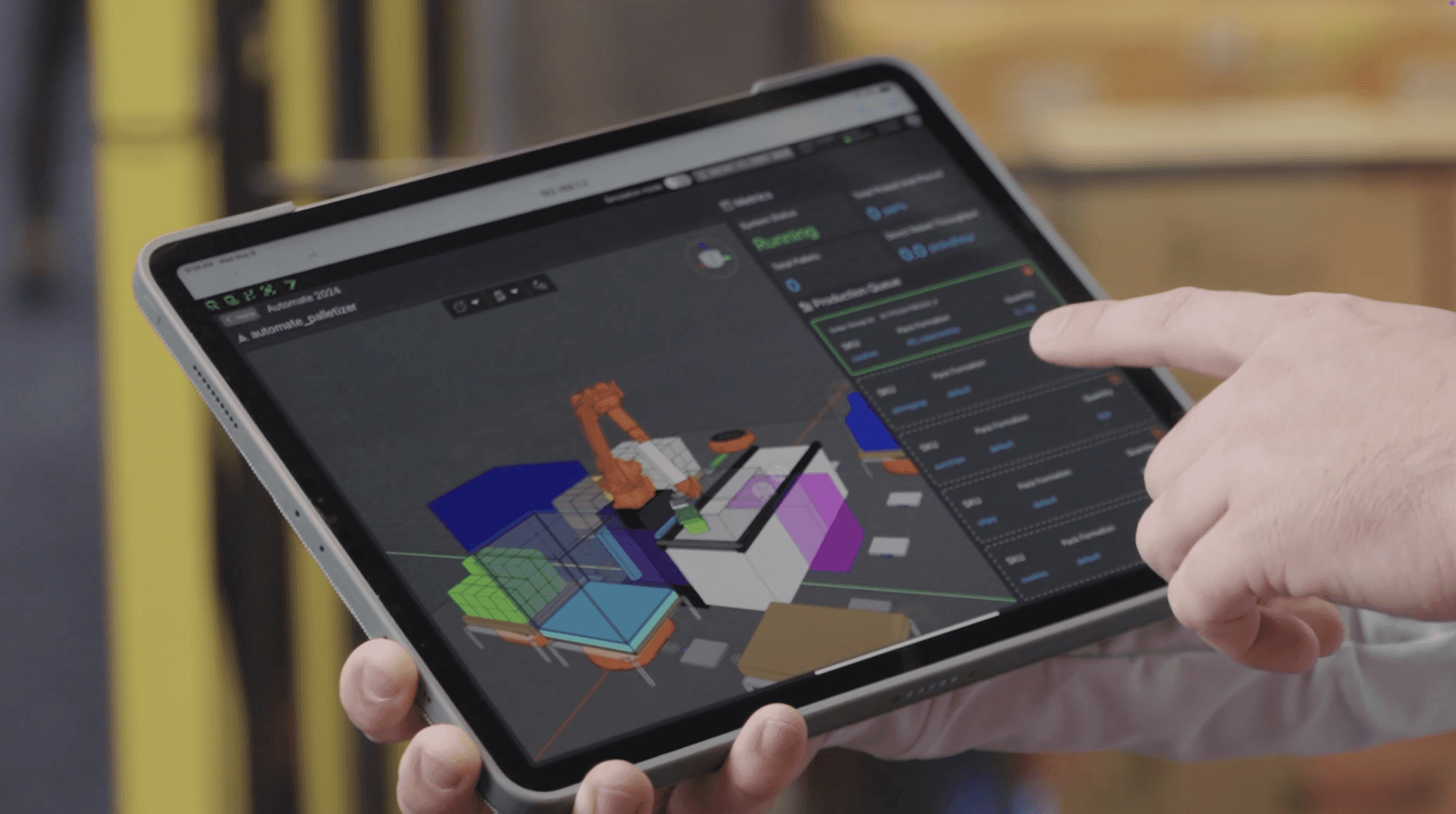
MujinOS simplifies automation to
drive businesses forward
MujinOS simplifies automation to drive businesses forward
MujinOS simplifies automation to
drive businesses forward
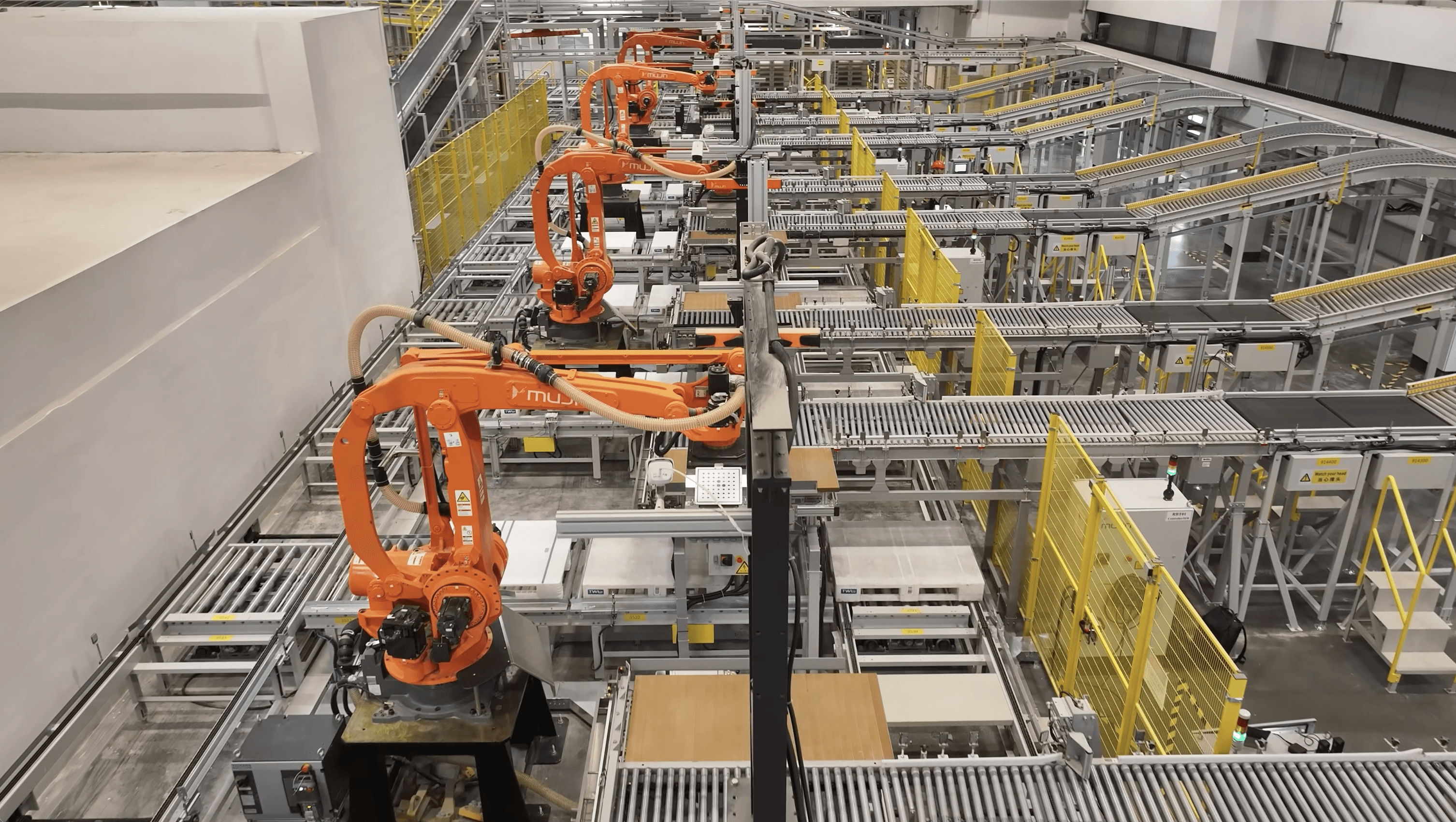
Accelerate deployment, cut engineering costs, and streamline control, without adding complexity. Whether automating for the first time or scaling an existing system, MujinOS grows with your company— adapting as your goals and operations change.
Accelerate deployment, cut engineering costs, and streamline control, without adding complexity. Whether automating for the first time or scaling an existing system, MujinOS grows with your company— adapting as your goals and operations change.
Deploy Rapidly
Speed to production is yours to set, with MujinOS removing coding delays and integration hurdles so your systems start delivering value in weeks, not months.
Optimize Spend
Budget-optimized automation keeps costs under control, cutting expensive engineering hours by eliminating PLC complexity, constant reprogramming, and downtime.
Configure Dynamically
No-code control is built in, letting operators configure and manage robotics through an intuitive interface instead of relying on advanced programming expertise.
Scale Faster
Built to evolve, your automation is no longer static — start with one cell and grow into a fully orchestrated warehouse that adapts as your needs change.
Deploy Rapidly
Speed to production is yours to set, with MujinOS removing coding delays and integration hurdles so your systems start delivering value in weeks, not months.
Optimize Spend
Budget-optimized automation keeps costs under control, cutting expensive engineering hours by eliminating PLC complexity, constant reprogramming, and downtime.
Configure Dynamically
No-code control is built in, letting operators configure and manage robotics through an intuitive interface instead of relying on advanced programming expertise.
Scale Faster
Built to evolve, your automation is no longer static — start with one cell and grow into a fully orchestrated warehouse that adapts as your needs change.
What can you automate with MujinOS?
What can you automate with MujinOS?
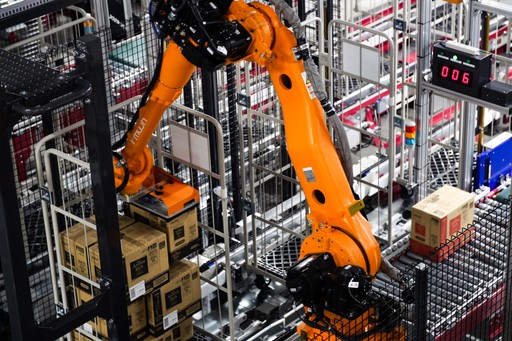
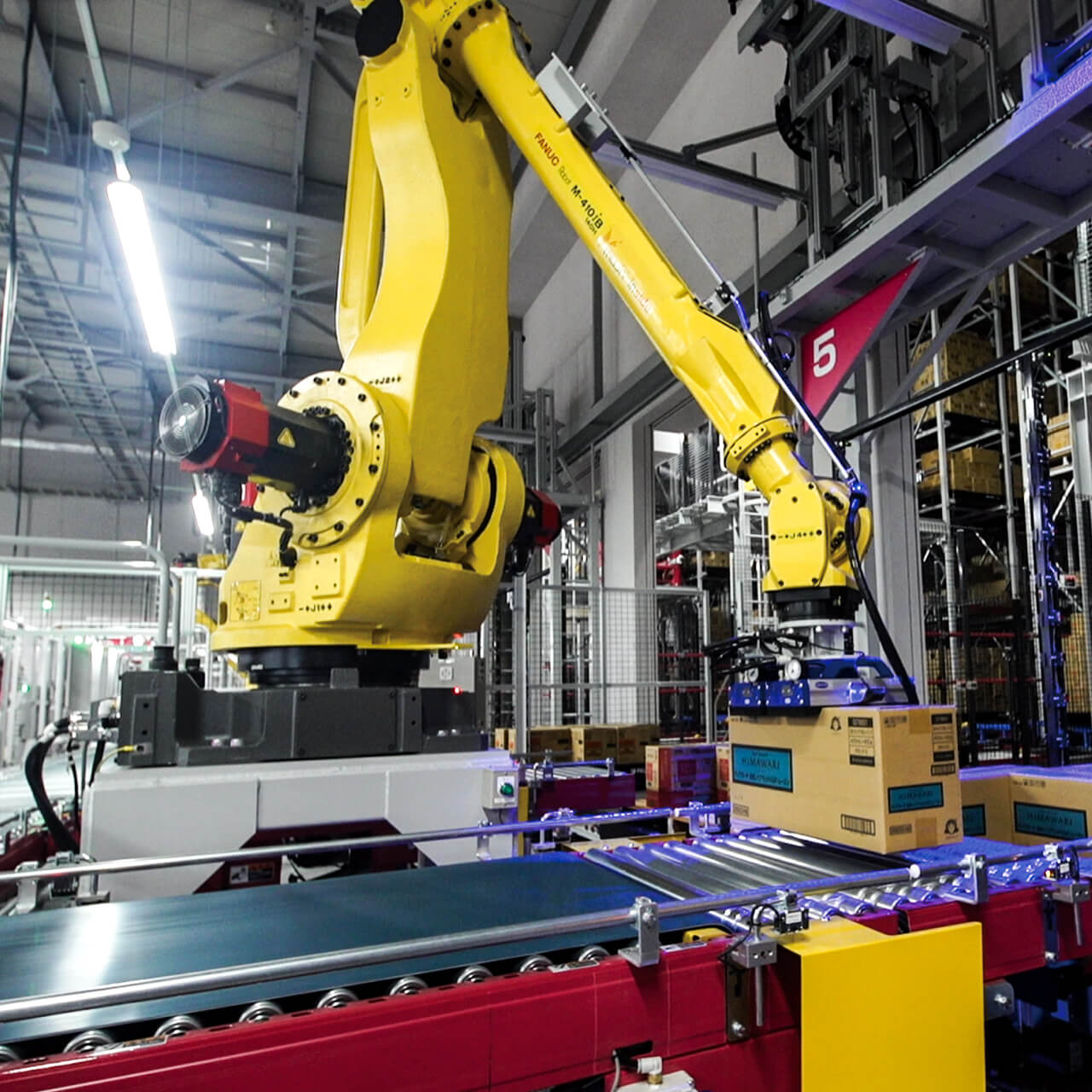
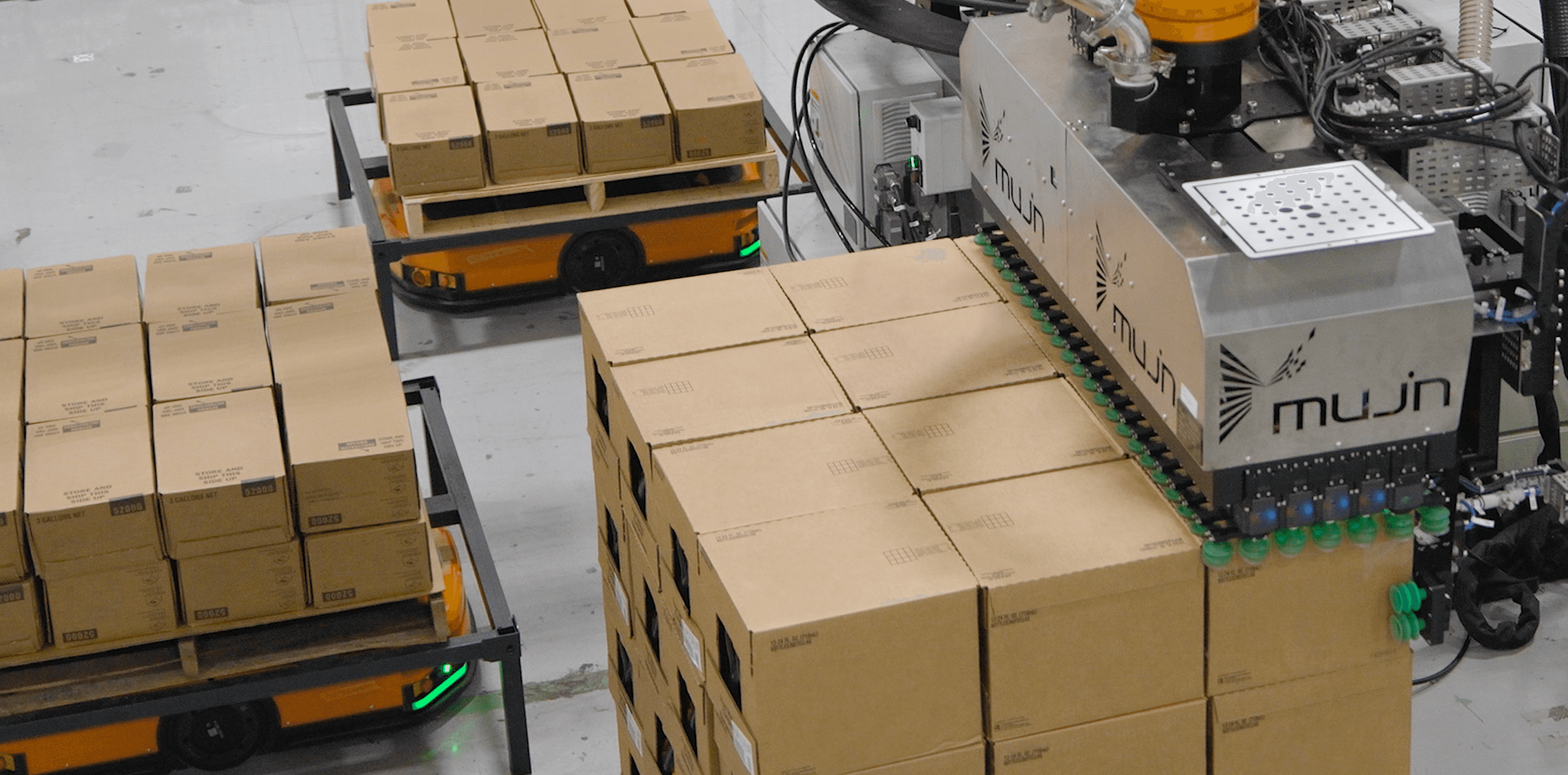
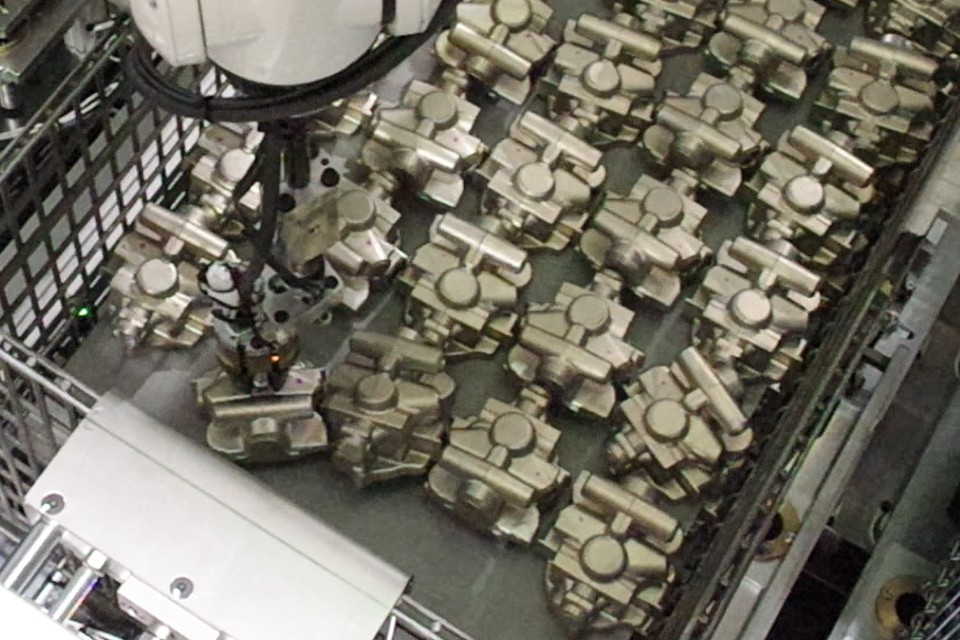
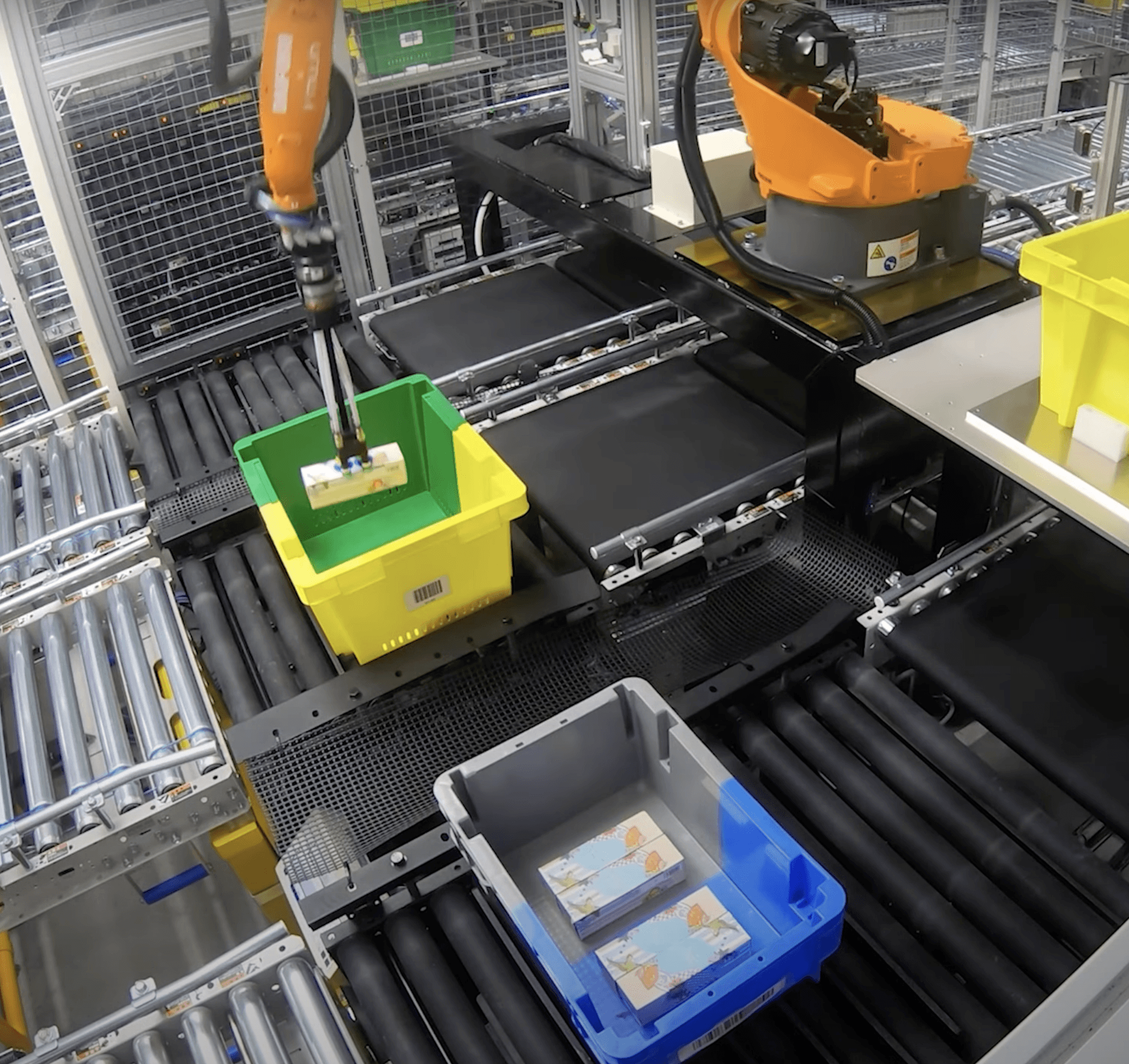
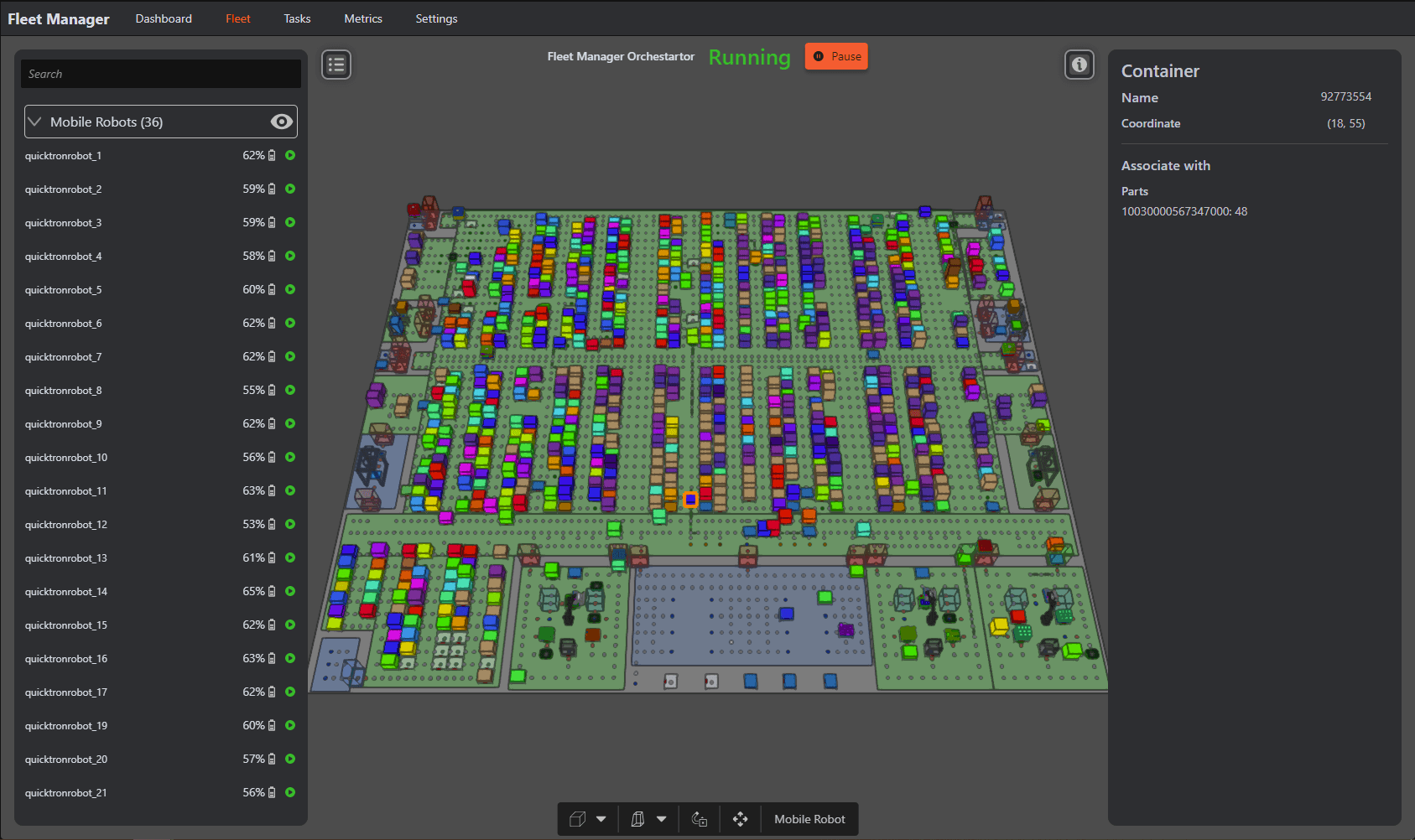
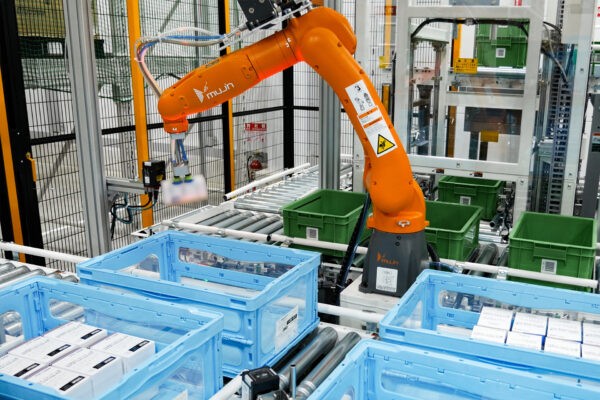
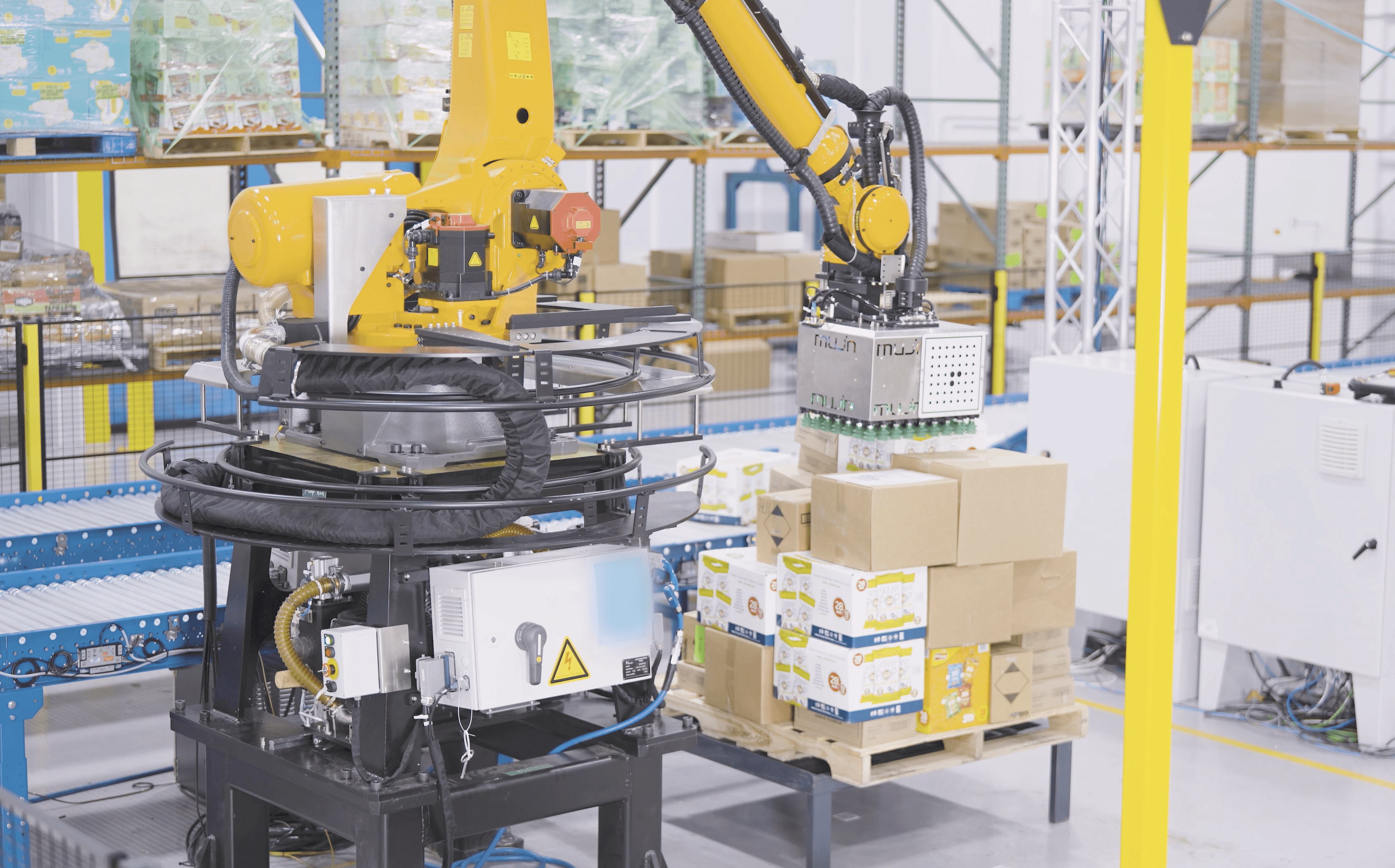
From pick and place automation in the warehouse to bin picking in the factory, MujinOS powers scalable solutions through a unified, no-code platform. Compatible with top robot and arm tooling manufacturers, it integrates across brands and workflows. Start with a proven system design or tailor one to your needs—MujinOS flexes to fit any automation strategy.
From pick and place automation in the warehouse to bin picking in the factory, MujinOS powers scalable solutions through a unified, no-code platform. Compatible with top robot and arm tooling manufacturers, it integrates across brands and workflows. Start with a proven system design or tailor one to your needs—MujinOS flexes to fit any automation strategy.
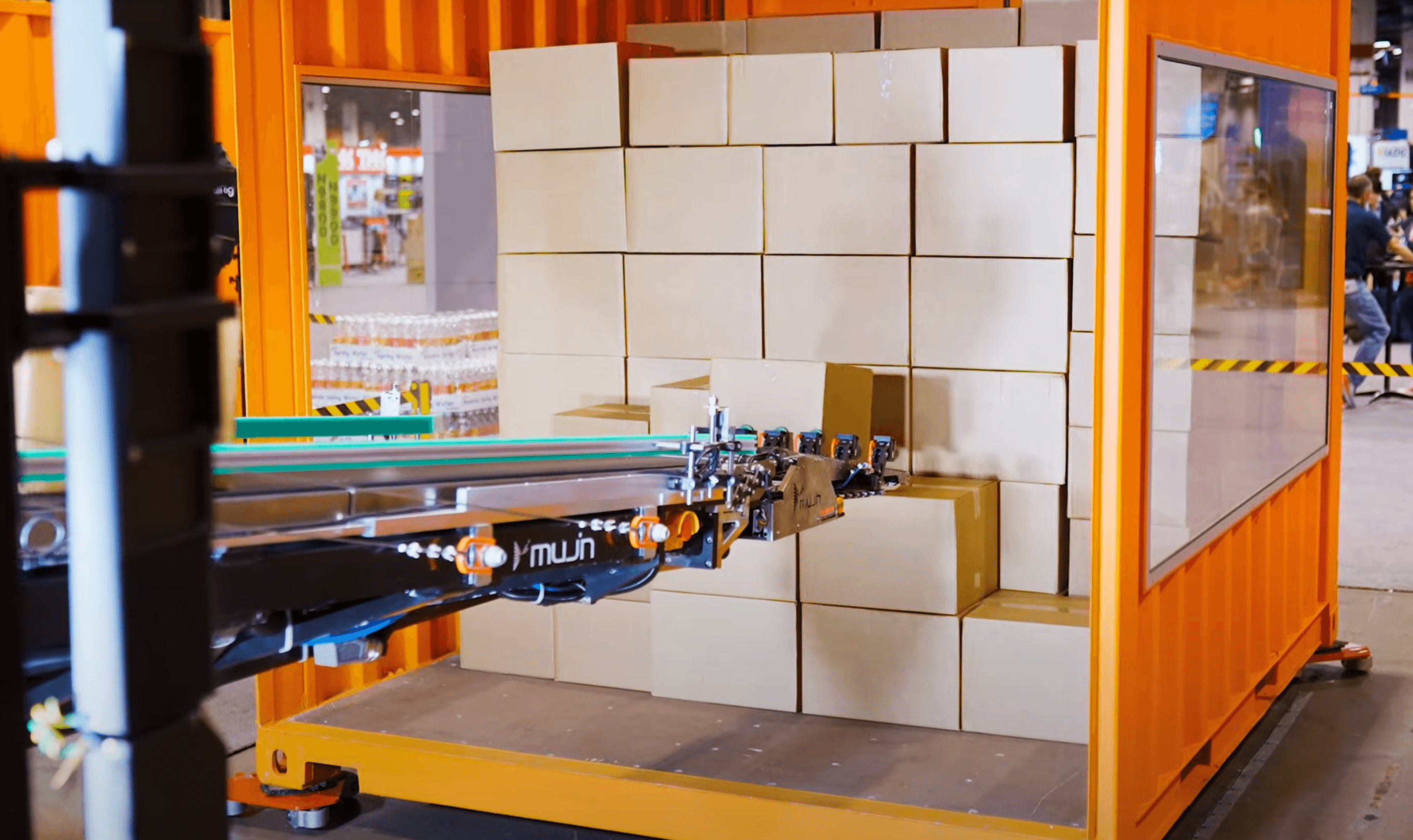
Automate as an integrator or by industry
Automate as an integrator or by industry
Integrators
Robotics or material handling integrator? MujinOS streamlines deployment and scales across systems and sites
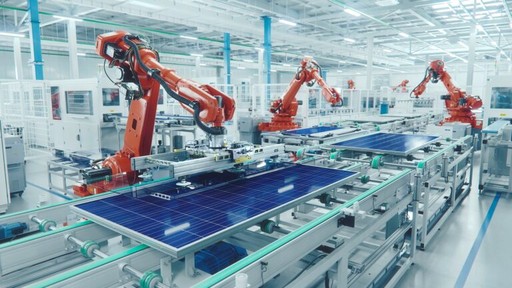
Integrators
Robotics or material handling integrator? MujinOS streamlines deployment and scales across systems and sites
Industries
Running automation in-house? MujinOS adapts to your workflows, environments, and industry-specific demands

Industries
Running automation in-house? MujinOS adapts to your workflows, environments, and industry-specific demands
Trusted by leading robot OEMs
Trusted by leading robot OEMs








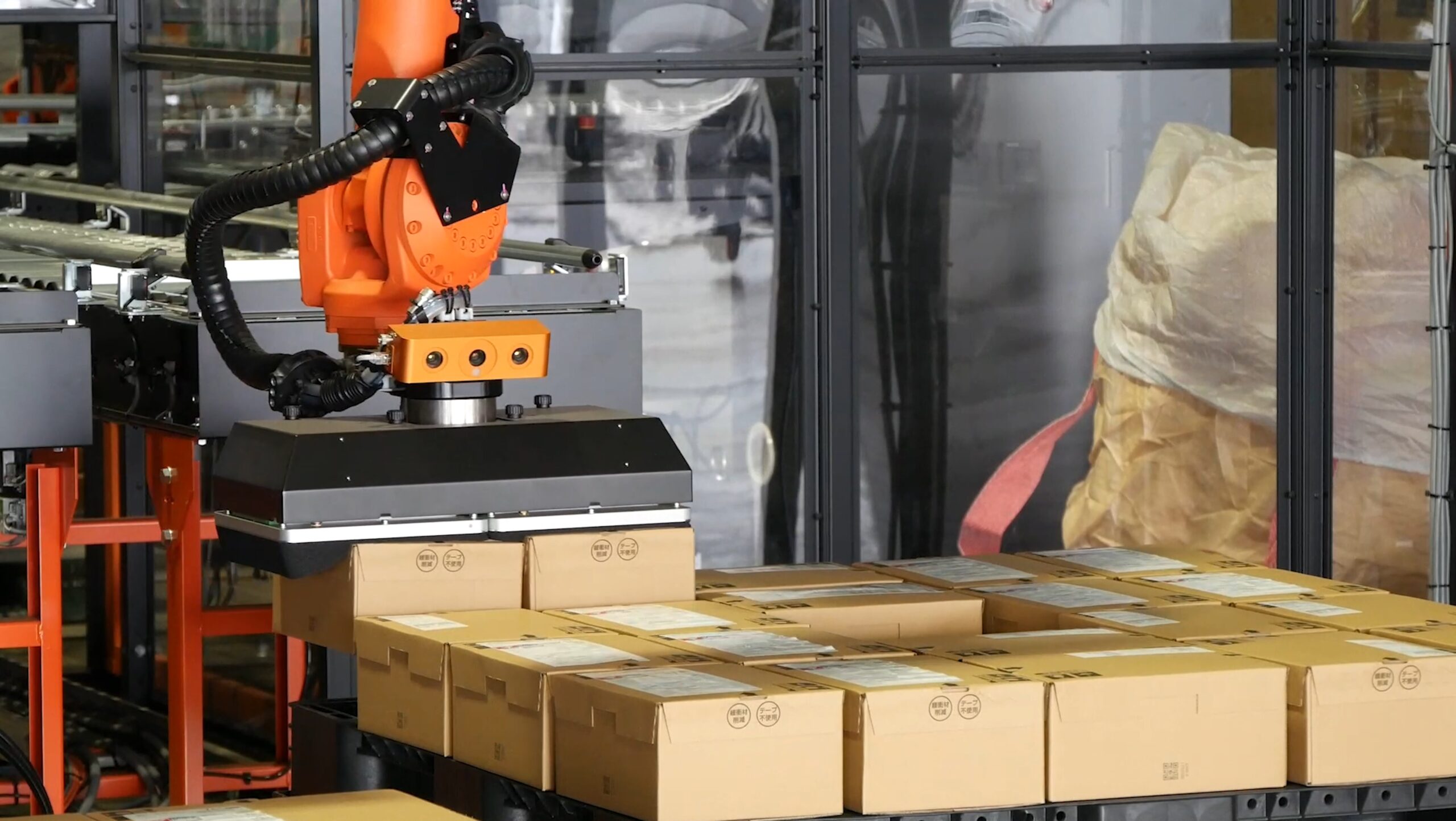
MujinOS in production
MujinOS in production
See how real operations use MujinOS to deploy faster and achieve lasting performance with intelligent automation.
See how real operations use MujinOS to deploy faster and achieve lasting performance with intelligent automation.
Have a question?
Learn how MujinOS delivers real-time perception, motion control, and no-code deployment—across any robotic system
Have a question?
Learn how MujinOS delivers real-time perception, motion control, and no-code deployment—across any robotic system